
When I was stress-testing a live table rollout in Perth, the dealer’s timing was off by half a second and the whole session flagged. That same attention to release readiness matters when you read game show casino games explained, because the pacing and payout logic are what separate a fair session from one that feels rushed. We reckon the format works best when the rules are transparent and the bonus triggers behave consistently across sessions.
How the Format Actually Plays Out
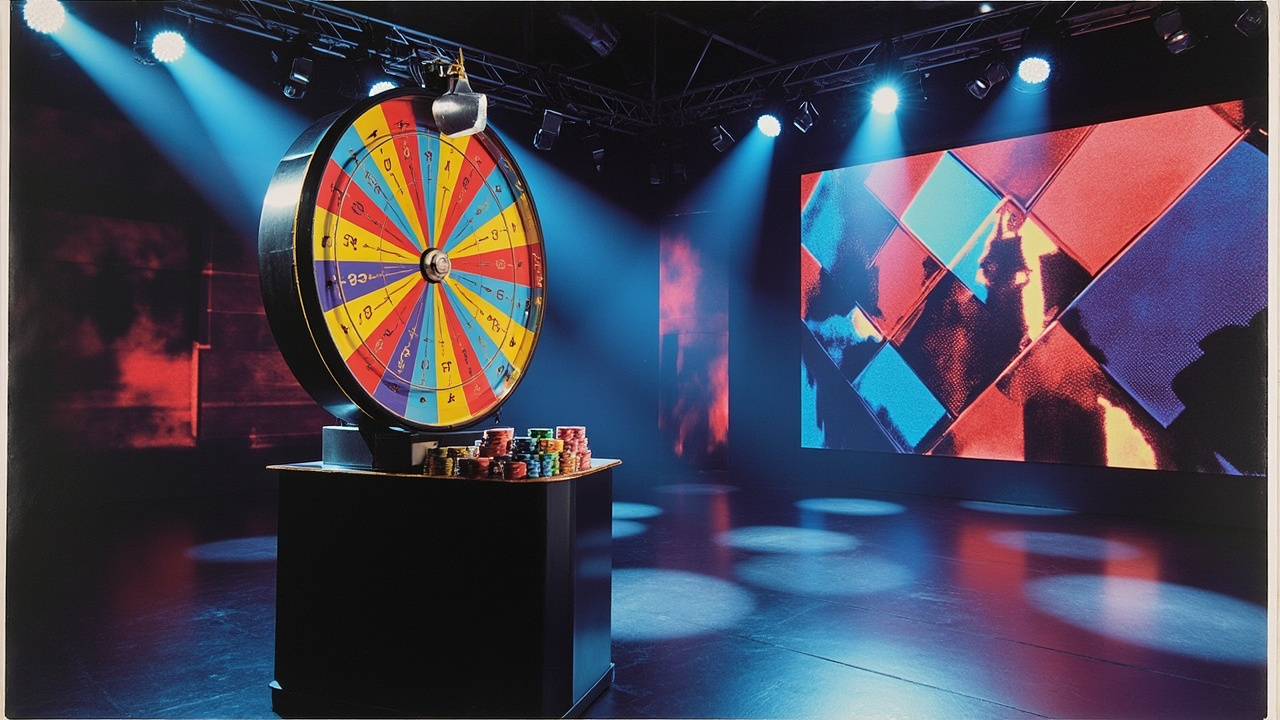
These titles borrow the bright lights and host-led energy of television game shows, but the underlying structure is built around fixed rules rather than improvisation. A typical round moves through a visible grid or wheel, with players selecting boxes, buying spots, or holding their position while a host narrates the action. The distinguishing traits are the pace, the visual clarity of each decision, and the way bonus rounds are teased before they land. From a usability standpoint, the controls stay simple on mobile, with tap targets large enough for a quick arvo session without hunting around the screen. The fit for an Australian audience is strongest when the rounds are short enough to fit between other plans, yet long enough that each decision carries weight rather than feeling like a button-mashing loop. big-bass-amazon-extreme-au.com
Where the Bonus Logic Gets Tested
A show-style round is only as reliable as the trigger logic behind its bonus features, and that is where a QA mindset pays off. In practice, the bonus round should fire on clearly defined conditions, with the same entry rules every session and no hidden gates that shift mid-play. Payment flows need to match the currency you signed up with, and registration should ask for the same details each time so there is no surprise document request after you have already committed to a stake. Loyalty points usually stack at a fixed rate per qualifying round, which keeps the progression readable instead of vague. If you are comparing options, a title that publishes its round structure and bonus entry rules up front is easier to judge than one that keeps those mechanics vague until you are already in the session.
Release Readiness and Operator Confidence
My background in iGaming QA means I look at these games the way a release manager would: are the edge cases covered, does the session recover cleanly if a connection drops, and is the operator’s reporting consistent with what the player sees on screen. A well-built show game handles a stalled round without losing the stake, resets the board state correctly, and keeps the host cues aligned with the actual result. That kind of reliability is what gives operator confidence, because it means the game is not just flashy on a good day but stable when the network is busy as a Perth lunchtime crowd. When you read game show casino games explained with that lens, the question is not whether the lights are bright, but whether the round behaves the same way on the tenth play as it did on the first.
Sign-Up, Support, and Everyday Use
Everyday usability comes down to how quickly you can move from registration to a real session without friction, and how clearly support answers the questions that actually come up. A sensible setup asks for the standard identity details once, confirms the currency up front, and keeps the mobile layout consistent between the lobby and the game screen. Support should be reachable through a channel that matches the pace of the product, with responses that address the specific round or bonus rather than generic copy. For a Perth player, that can mean a local-facing help line or chat that understands the time zone and the common questions around session timing and bonus entry. If the registration flow is tidy and the support team can explain a bonus trigger without waffle, the game is far easier to fit into a normal routine.

It comes back to that half-second timing issue I saw in Perth: a show-style game is only as good as the consistency behind the curtain. If the rounds, bonus triggers, and session recovery hold up under repeated play, the format earns its place as a different kind of casino experience rather than just another noisy screen.
- Host-led round – a game session guided by an on-screen presenter who narrates choices and outcomes.
- Bonus trigger – the defined condition that starts a special round or feature within a session.
- Stake – the amount set before a round begins, which determines the value of the result.
- Session recovery – how the game restores the board and balance if a connection drops mid-round.
